Hair loss is a concern that affects millions of people worldwide, transcending age, gender, and ethnicity. As we navigate the myriad of solutions available on the market, one name often surfaces: Provillus. Positioned as a dual-action hair loss treatment, it combines topical minoxidil with a set of vitamins and supplements aimed at enhancing hair growth. But do these Provillus vitamins truly promote hair growth? Let's delve into the details.
Understanding Hair Loss
Before evaluating any treatment, it’s crucial to understand what causes hair loss in the first place. Factors contributing to thinning hair can be varied and complex. Genetics plays a significant role; conditions such as male pattern baldness and female pattern hair loss are hereditary. Additionally, hormonal changes, nutritional deficiencies, stress, and certain medical conditions can lead to increased hair shedding.
Among women, postpartum changes and menopause can trigger sudden shifts in hormones that affect hair density. In men, dihydrotestosterone (DHT), a derivative of testosterone, is often responsible for follicle shrinkage leading to receding hairlines.
Recognizing these underlying causes is essential when considering treatments like Provillus.
What Is Provillus?
Provillus offers two primary formulations: one for men and another for women. The product claims to address different types of hair loss by combining topical minoxidil with oral supplements that contain various ingredients purported to support hair health.
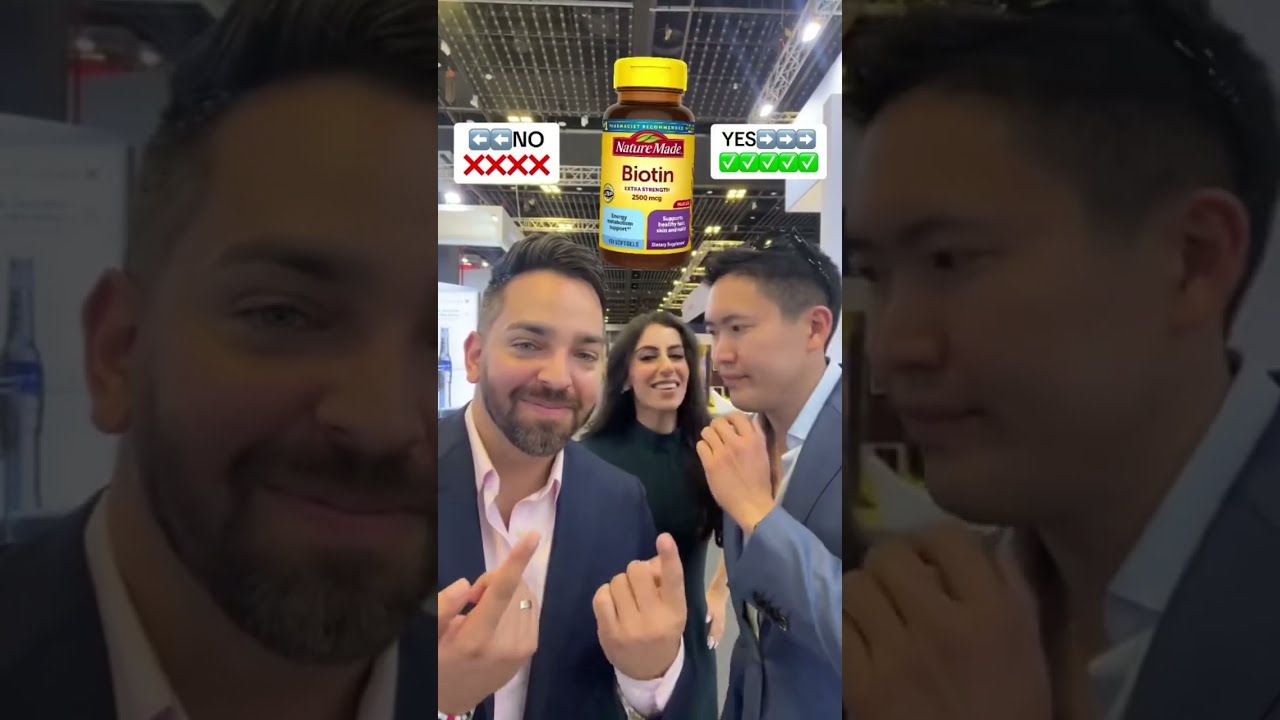
The oral formulation includes vitamins such as biotin, which has garnered attention for its role in promoting healthy hair growth. Biotin deficiency can contribute to thinning hair; thus, supplementing with this vitamin may be beneficial for some individuals.
However, it is essential to dissect the components of Provillus further to understand how they interact with each other and whether they deliver on their promises.
Examining the Ingredients
The provillus review effectiveness of any supplement hinges largely on its ingredients. The Provillus formula contains several key elements:

- Minoxidil: This FDA-approved topical solution stimulates blood flow to hair follicles and promotes regrowth. Biotin: A B-vitamin known for its potential benefits in improving keratin infrastructure in the body. Zinc: Essential for tissue growth and repair; zinc deficiency is linked to hair loss. Saw Palmetto: An herbal ingredient believed to help inhibit DHT production. Vitamins A, C, D, E: These vitamins provide antioxidant properties that may support scalp health.
While these components are individually recognized for their roles in promoting healthy hair growth or mitigating loss, their combined efficacy remains subject to individual results and response rates.
The Role of Minoxidil
Minoxidil acts as the cornerstone of Provillus' claims. Research indicates that minoxidil can indeed stimulate hair regrowth in both men and women experiencing androgenetic alopecia. Its mechanism involves widening blood vessels in the scalp area, which helps revitalize shrunken hair follicles — those most affected by DHT.
However, it's important to note that results vary widely among users. Some individuals experience significant improvement within a few months of consistent use while others may see minimal changes or none at all.
Real-Life Experiences: Before and After
When considering any treatment like Provillus, examining real-life experiences can provide valuable insights. Many users share their before-and-after photos online — often revealing noticeable differences after several months of use.

However, anecdotal evidence should be approached with caution; individual results vary based on numerous factors including genetics, overall health status, adherence to treatment protocols, and lifestyle choices such as diet and stress management.
Potential Side Effects
While many users report positive outcomes from using Provillus products, there are potential side effects associated with minoxidil application. These may include:
- Scalp irritation or itching Unwanted facial hair growth Increased shedding during initial stages (known as "shedding phase")
Moreover, those choosing the oral supplement should consult healthcare providers before starting new vitamin regimens—especially if taking other medications—due to possible interactions or contraindications.
Comparing Treatment Options
As you explore options for addressing hair loss issues like those presented by Provillus—it's wise to understand how they compare against other treatments such as Rogaine (another popular minoxidil formulation) or prescription solutions like finasteride.
Rogaine delivers similar active ingredients but lacks additional nutritional components found in Provillus vitamins. On one hand, combining topical treatments with comprehensive vitamin supplementation might offer synergistic benefits; on the other hand it could complicate personal routines or escalate costs unnecessarily.
Overall comparisons should focus not only on effectiveness but also consider ease-of-use over time along with budgeting concerns based upon expected duration for optimal results.
Conclusion
Provillus vitamins represent an intriguing approach within the extensive landscape of hair restoration treatments. While they include reputable ingredients known for supporting healthy locks — much still depends on individual responses influenced by varied causes behind thinning strands in each person’s unique journey through life’s challenges related specifically towards maintaining lush tresses long-term.
In summary—while there is promise reflected through user testimonials regarding both formulation aspects offered under its brand umbrella—the road towards revitalized locks remains deeply personal fraught with unpredictability making thorough research essential prior committing fully either financially or emotionally towards achieving desired results effectively moving forward!